Our Courses

Methods of Instruction
The integrity of policing in our society is dependent upon ‘rightful policing’ practices. These practices reside upon the ability of police and law enforcement officers to demonstrate exceptional judgment and appropriate application of force if and when necessary. Officers must assess critical situations and decide how to best respond in a risk‑effective manner in what can often be time-compressed situations.
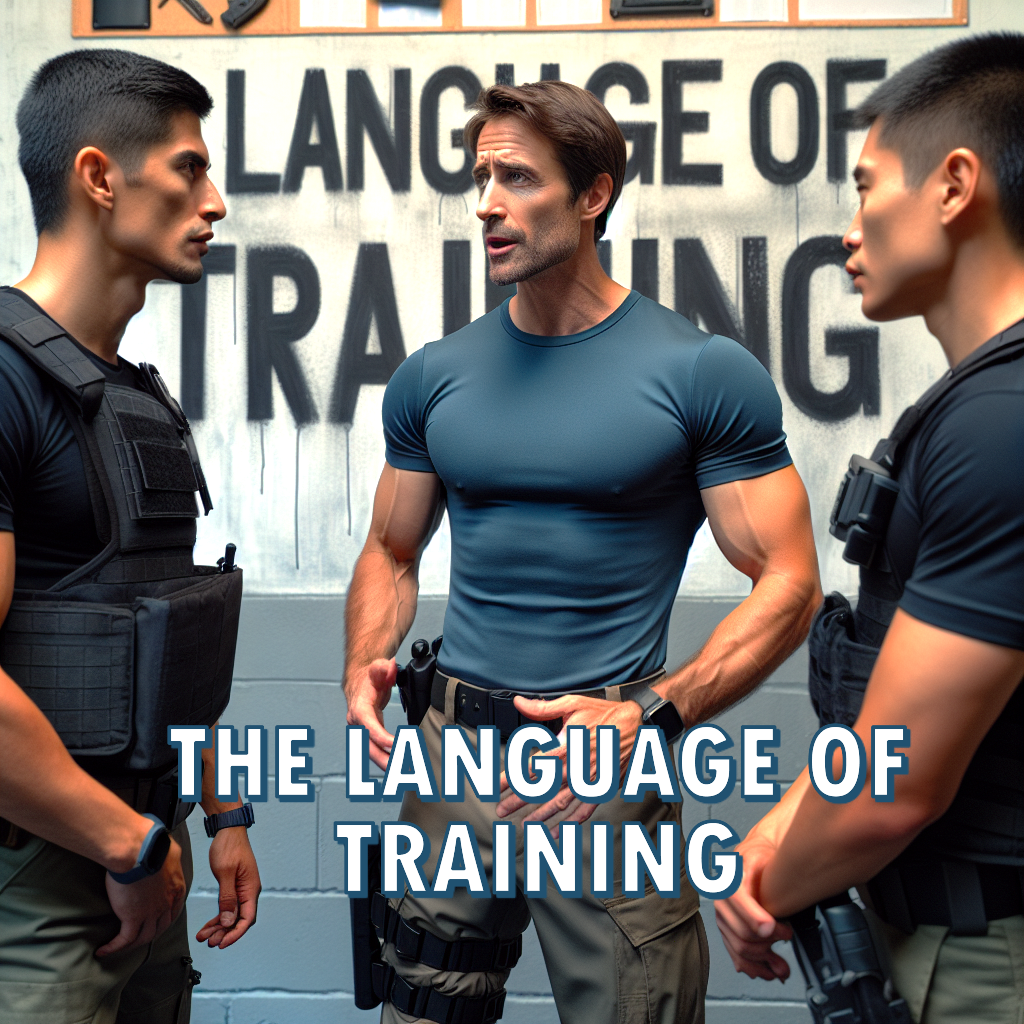
The Language of Effective Training
Our words and how we use them hold immense power, especially in the realm of coaching and
training motor learning and decision-making. Effective coach communication is essential in
empowering our students to achieve their goals. Coaches or Trainers, whether in sports,
academics, or especially first responder tactical occupations, utilize language not only to instruct
but also to inspire and motivate. The way our words are chosen can greatly influence a
student’s learning experience, resulting in success. On the other hand, a lack of understanding
of the power of our language can create learner frustration, impaired learning or even
dangerous training scars.
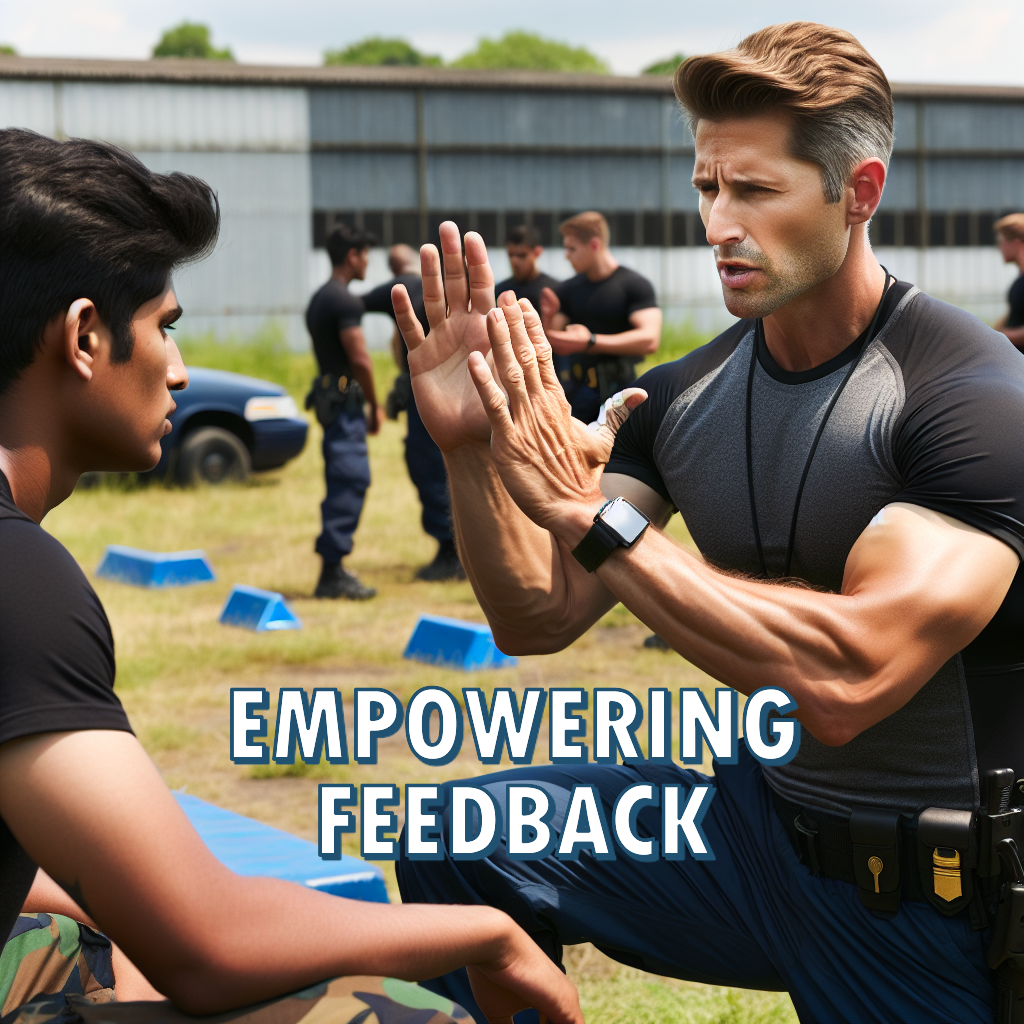
Empowering Feedback
Effective feedback plays a crucial role in learning and skill development while improper
feedback methods can impair learning. Unfortunately, however, research has shown that the
majority of coach or trainer feedback used in law enforcement is of the type that hinders
retention and transfer of performance.

Going Non-Linear
First responders are required to make high-consequence decisions in highly ambiguous and
rapidly evolving environments. These types of performance domains are termed ‘non-linear’. In
the Non-Linear world, first responders are required to be highly resilient and adaptable; to have
exceptional awareness and attentional control and to be able to focus on what’s important now
and what’s likely going to happen next.